About
Not your typical support worker.
That's kind of the whole point.
Spectrum Supports exists because finding the right support is genuinely hard — and too many neurodivergent people are settling for support that doesn't fit. I'm here for the people who are done settling.
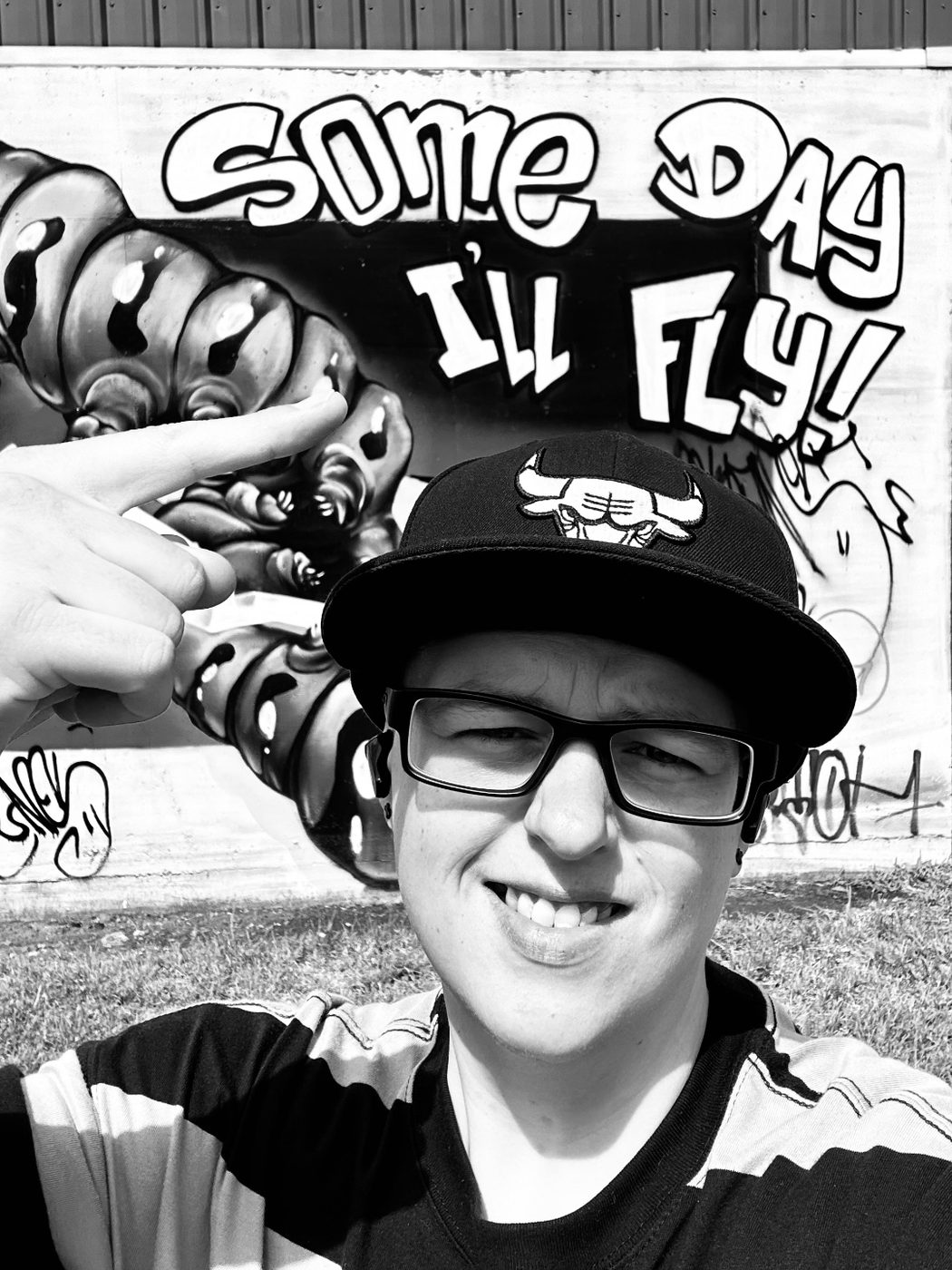
The person behind Spectrum Supports
I built this because I couldn't find what I needed
I'm autistic. I've spent years — honestly, more years than I'd like to admit — trying to find support that actually worked for me. Not support that looked good on paper, but support that felt right. That understood how I think, what I need, and didn't try to change who I am. I couldn't find it. And that gap is a big part of why Spectrum Supports exists.
I know how demoralising it is to go through the process of finding and accessing support, only to end up with someone who reads from a script, doesn't get your humour, or treats you like a task to complete. That's not support — that's just going through the motions. And as someone who has personally navigated mental health challenges and eating disorder recovery, I also know how much the quality of that support matters when you're already doing it tough.
I've also worked with advocacy and discrimination services — so I understand how systems can fail people, and how to help someone figure out their rights without it becoming yet another overwhelming thing to manage.
So I started Spectrum Supports. I wanted to build the thing I'd been looking for — support that's real, that meets you where you are, and that comes from someone who genuinely understands what it means to be neurodivergent. No scripts, no professional distance, no clipboard. Just honest, human support from someone who's been on the other side of the table too.
My professional background spans over 20 years across disability support, youth work, customer service, hospitality, coaching and management — including direct experience supporting teens and young adults through school transitions, building independence, and navigating the social stuff that doesn't come with instructions. If you're a parent looking for support for your young person, or a young person looking for someone who actually gets it — you're in the right place.
I'm also completing a Bachelor of Psychological Science at the University of Tasmania — because understanding people properly matters, and I want to keep getting better at this work.
A bit about me personally: I'm a woman — female from birth — and my pronouns are she/her. I dress and live in a way that feels comfortable and authentic to me, and I bring that same energy to the work: no pretence, no performance. I'm a married lesbian, and I share my life with my wife and our two beautiful French Bulldogs. If you're a dog person, we're going to get along just fine.
- Autistic adult with lived experience
- 20+ years across multiple sectors
- Experience supporting teens & young adults
- Mental health & ED recovery experience
- Lived experience with anaphylaxis & allergies
- Advocacy & discrimination services background
- Bachelor of Psychological Science (UTAS)
- Working with Vulnerable People (WWVP) — current
- Greater Hobart
My values
What I believe
These aren't words on a brochure. They're the non-negotiables that shape every single session.
Safety first
Physical, emotional, and psychological safety. You should never have to mask, manage, or protect yourself around your support worker.
Radical honesty
I'll tell you straight what I can and can't do. No overclaiming, no empty reassurances — just plain, honest communication. Always.
Respect for autonomy
You know your life better than anyone. I'm here to support what you want to do — not to decide what that should look like. Your goals, your pace, your call.
Consistency
Predictability matters. I show up when I say I will, communicate ahead of time about any changes, and help build routines you can actually rely on.
Strengths-based
I lead with what you're good at and what matters to you — then build from there. Your interests, your strengths, your goals. Not a deficit list.
No judgement — pure curiosity
I don't judge. Not your choices, not your history, not the way you live your life. What I bring instead is genuine curiosity — a real desire to understand people and what makes them who they are. Everyone has a story worth knowing, and I'm here to listen to yours, not evaluate it.
Continuous learning
I'm always learning — through study, reading, and staying genuinely curious about people. Good support doesn't stand still.
Who I am outside of work
The kind of person you'd be working with
Support works best when there's a real connection — and real connection starts with actually knowing who someone is. Here's a bit of that. And if you want the full rundown of my special interests, there's a whole page for that.
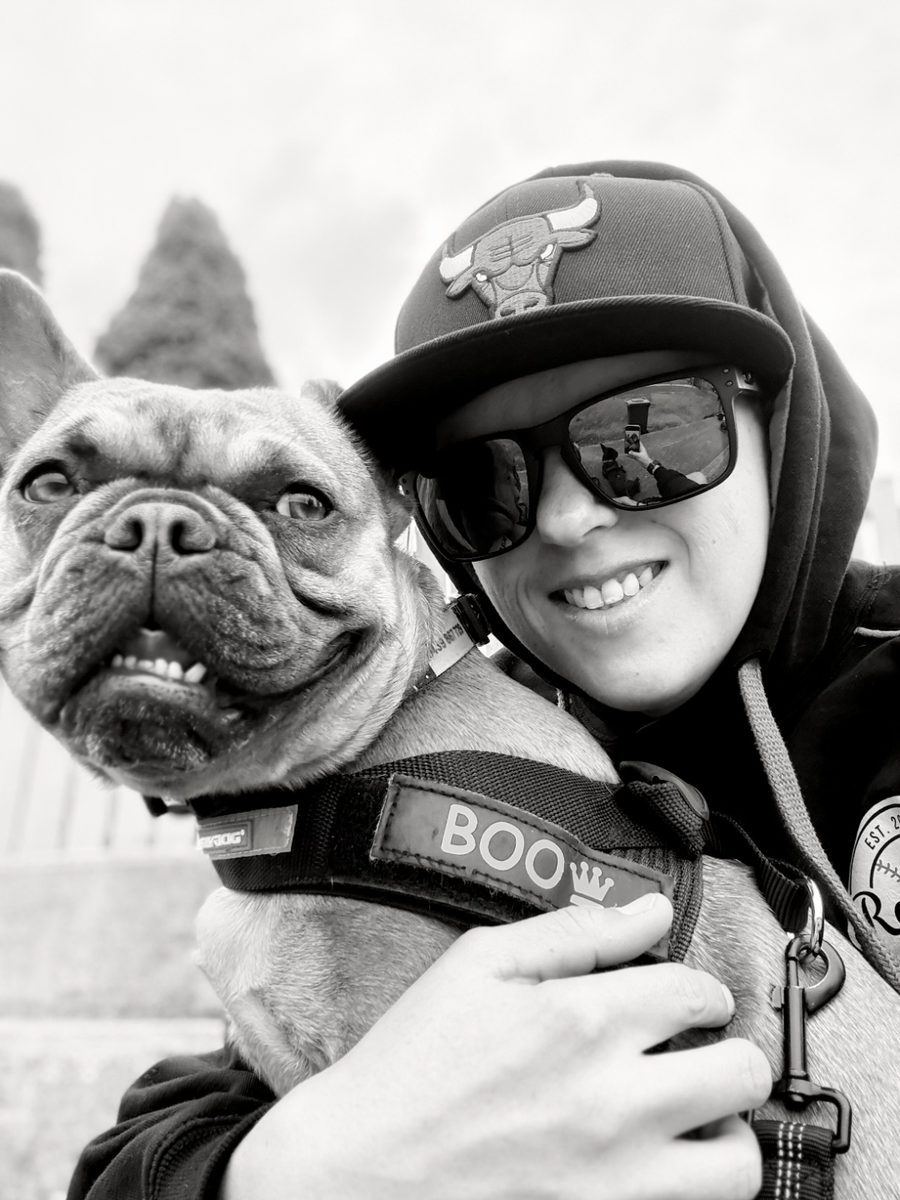
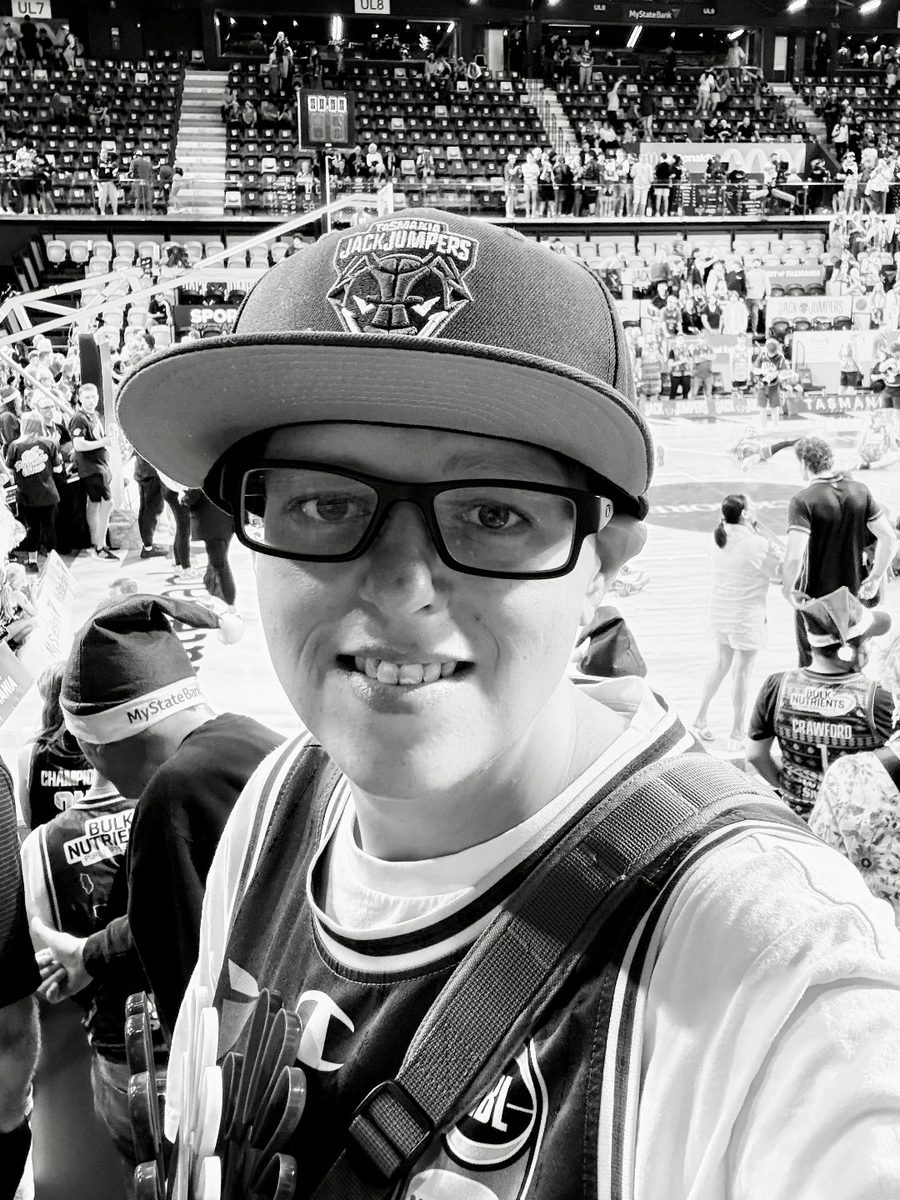
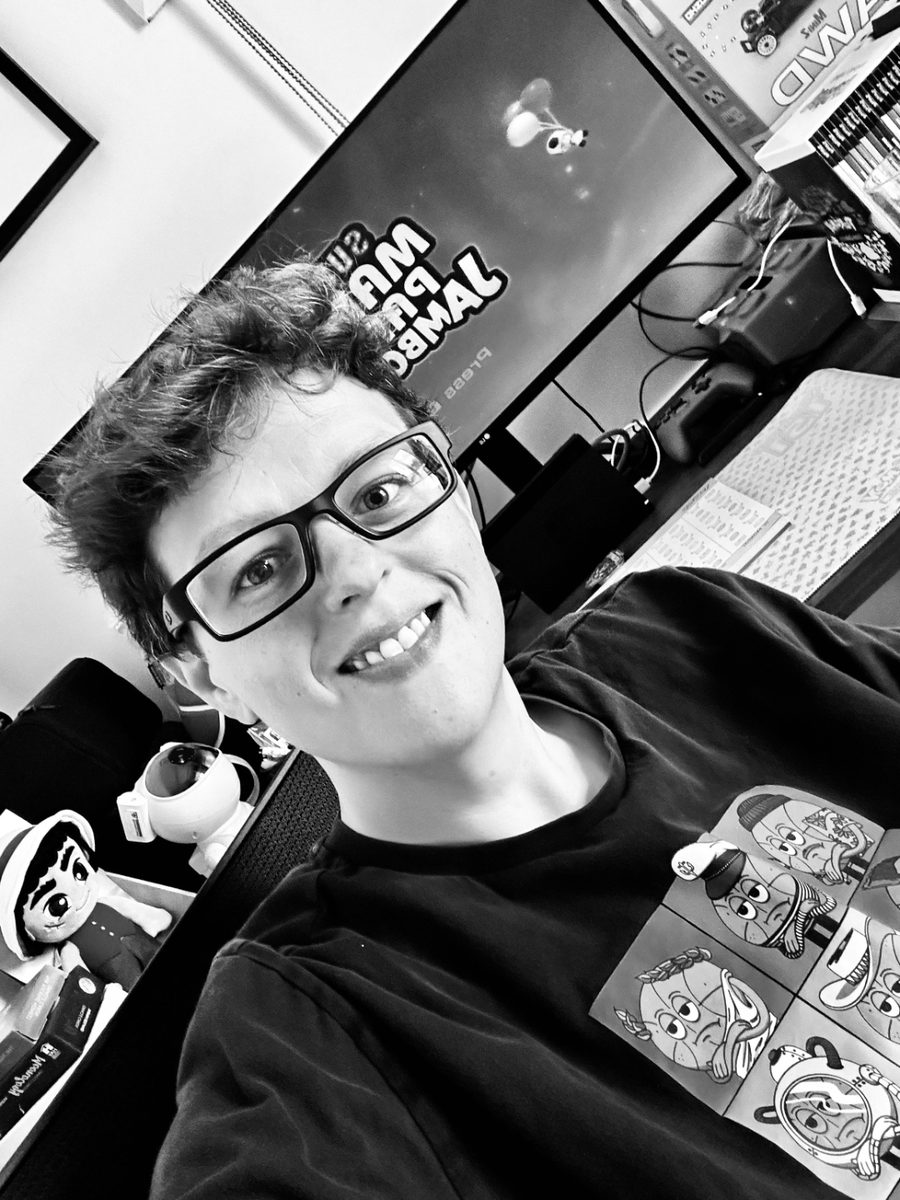
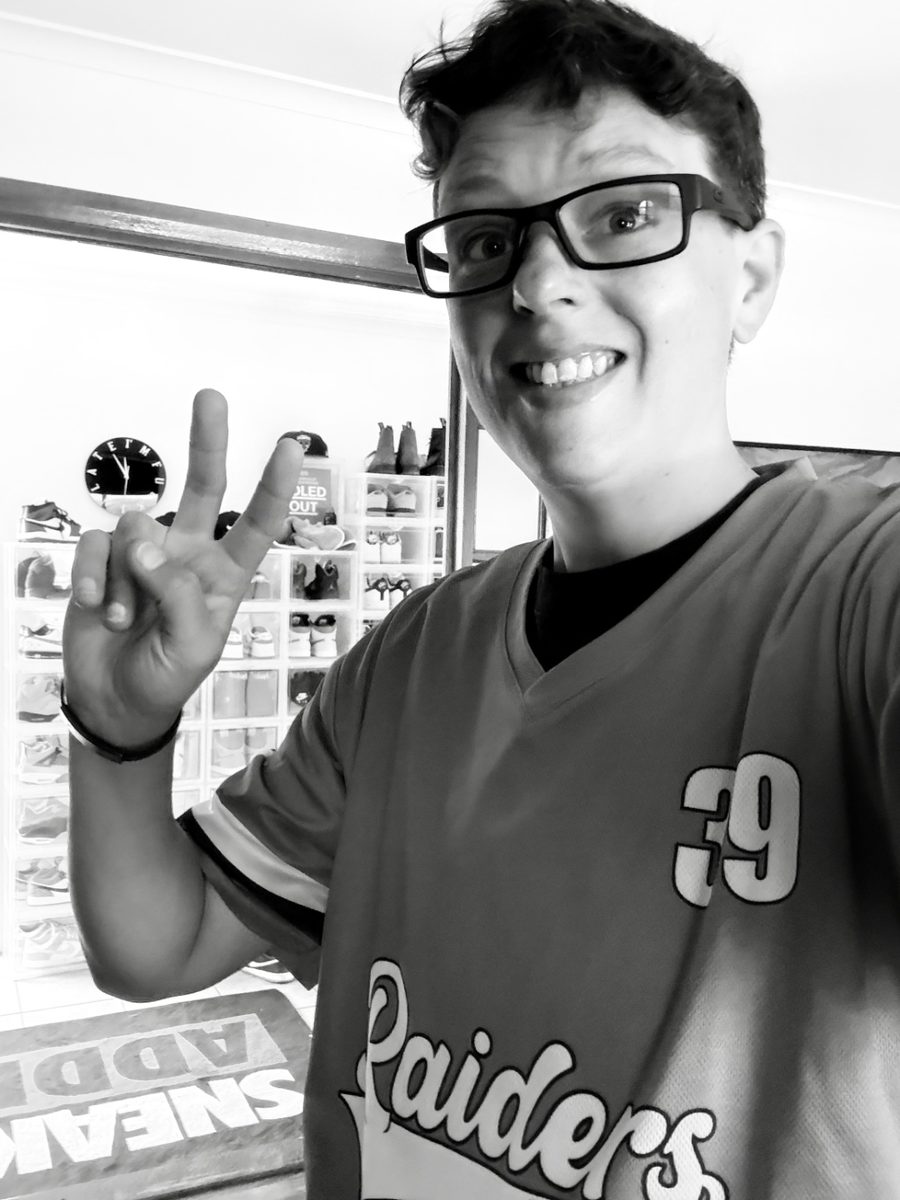
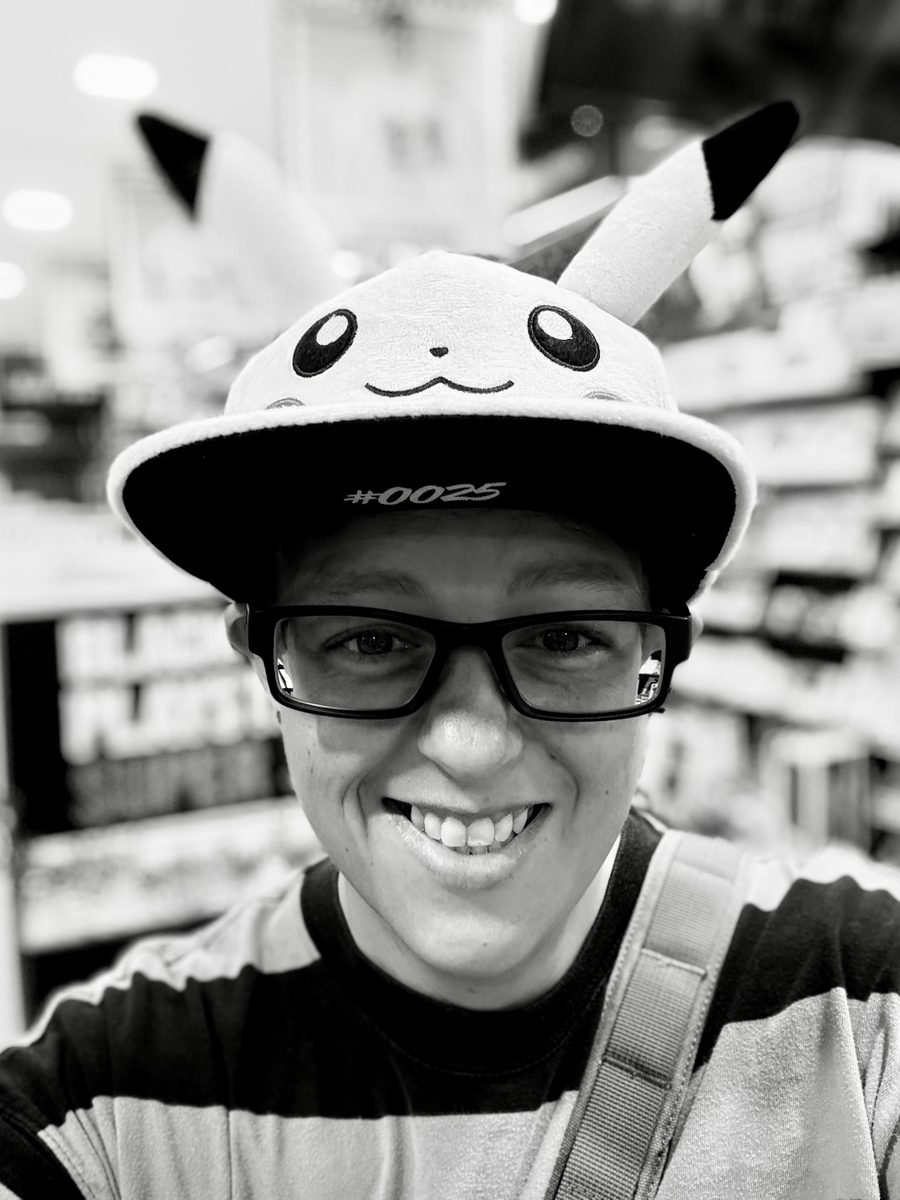
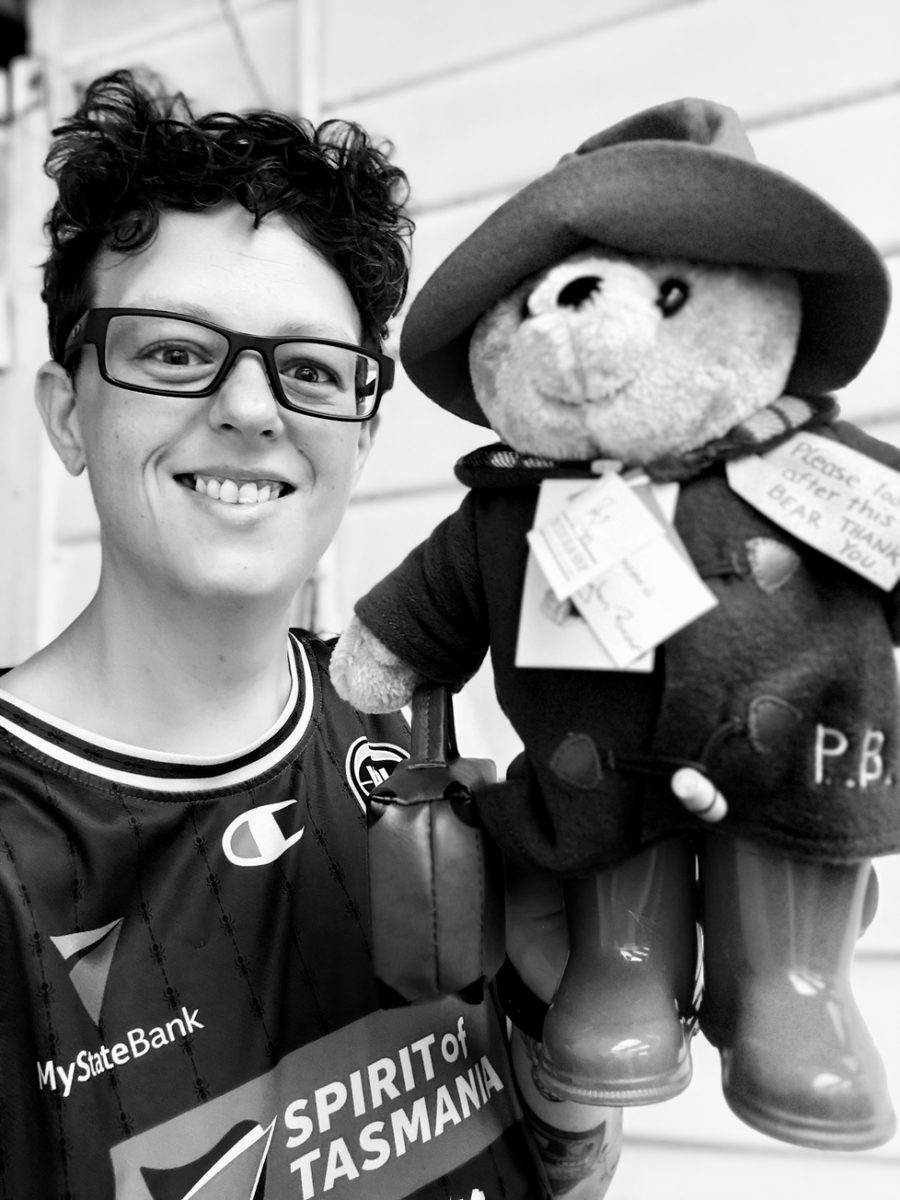
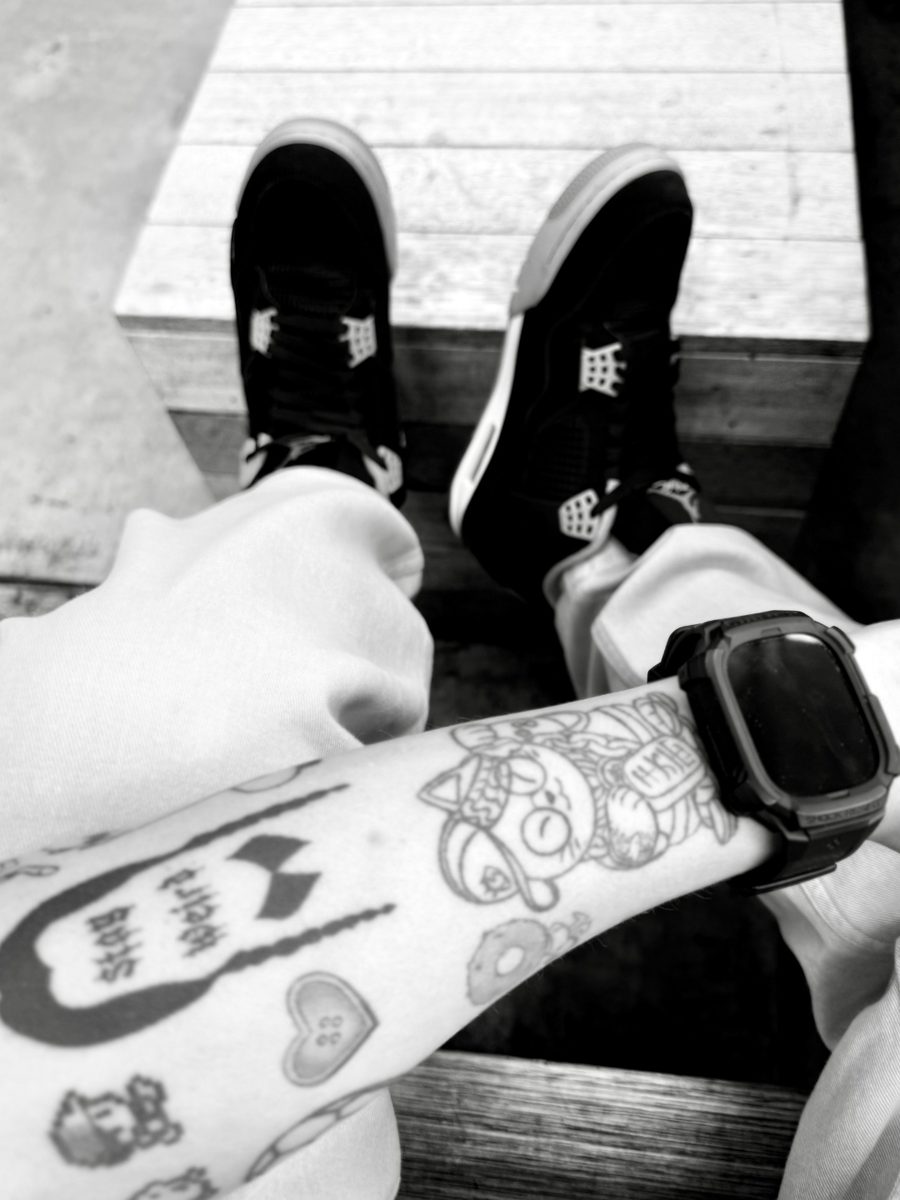

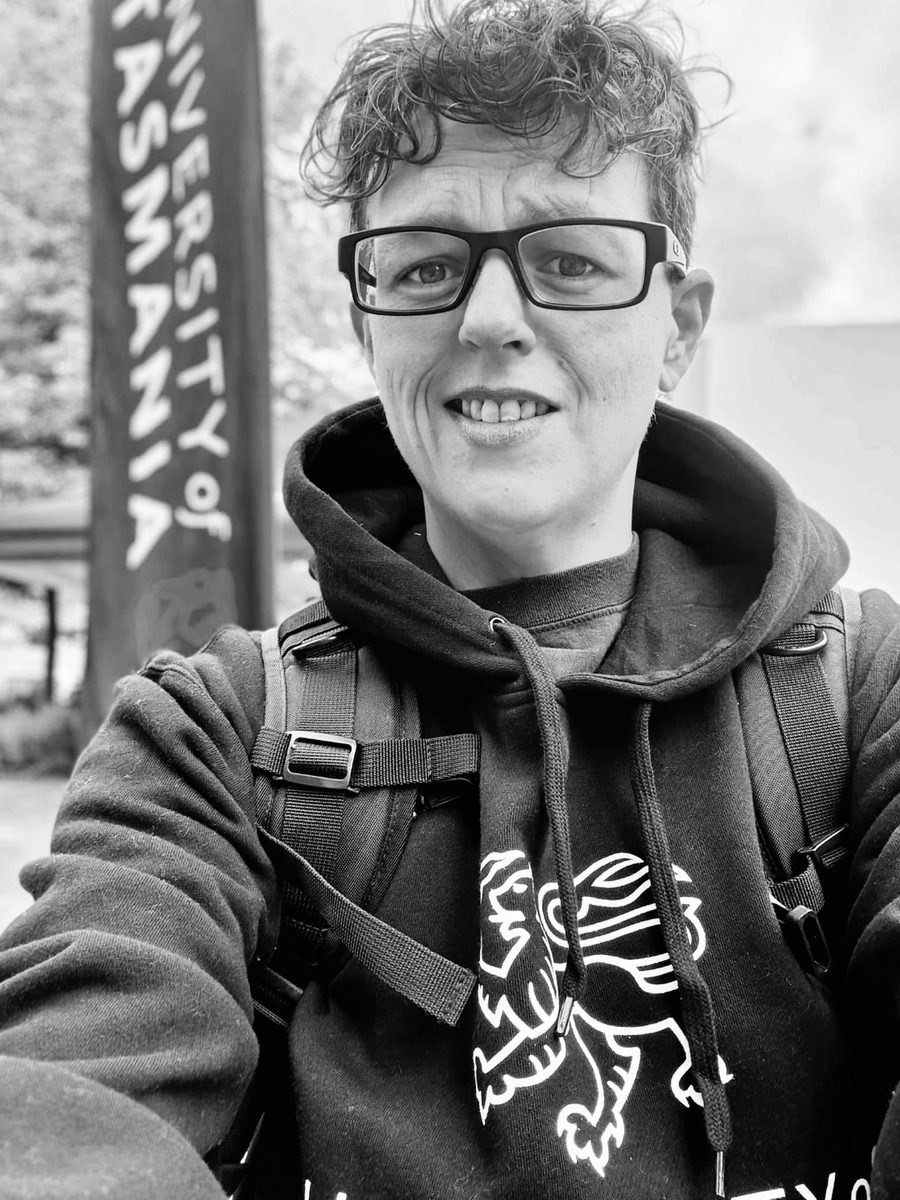
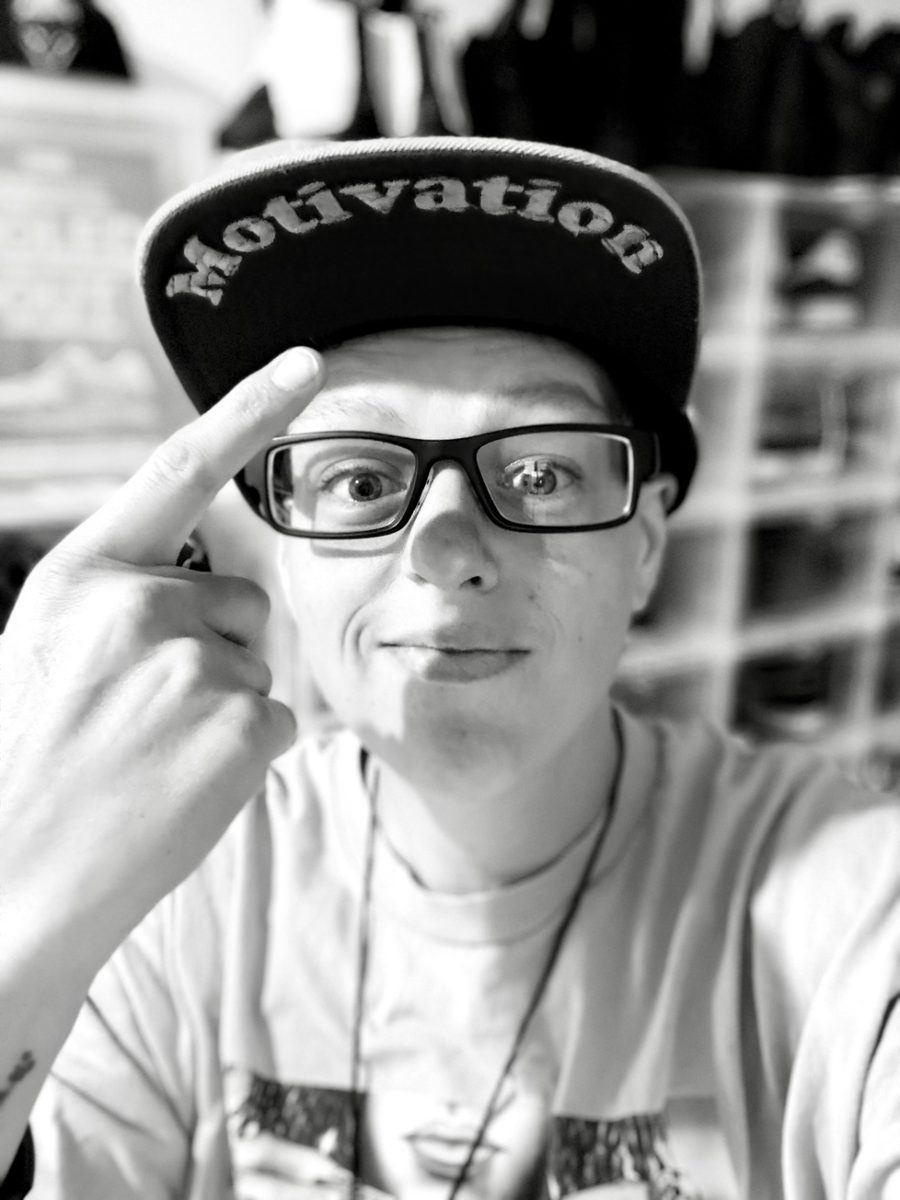
Spotted in the wild and immediately photographed. This is the vibe.
How it works
What getting started actually looks like
A note on fit
I genuinely value your time — and my own. If, after our initial conversation, I don't think I'm the right support for what you're looking for, I'll tell you honestly. That might be about the type of support you need, or it might just be that we're not the right match. Either way, I'd rather have that conversation early than have you spend your money on something that isn't going to work. No hard feelings — and I'll always do my best to point you somewhere better if I can.
-
A no-pressure chat first
I start with a conversation — in person, by phone, or by email. Just getting to know you and figuring out if we're a good fit. No forms, no intake process, no stress.
-
If it clicks, we make it official
If it feels right for both of us, I put together a simple service agreement — plain language, no surprises. I go through everything with you before you sign a thing.
-
Starting slow is fine
New relationships take time — especially for neurodivergent people. I start with whatever feels manageable and build from there. You set the pace; I adjust as we go.
-
I keep checking in
Goals change, life changes. I check in regularly to make sure support is still working for you — and I'm not precious about making changes if something isn't right.
The professional side of things
How I keep my practice solid
My own supports
I see my own supports regularly — because looking after myself is part of doing this work well. You can't pour from an empty cup, and I take that seriously.
Safe digital practice
Client records are kept in Shiftcare — a platform built specifically for disability support, with strong privacy and data security standards.
NDIS registration pathway
I currently support self-managed and plan-managed NDIS participants as an unregistered provider. I'm working towards full NDIS registration in Year 2.
Credentials & checks
- Working with Vulnerable People (WWVP) card with NDIS endorsement — current, Tasmania
- First Aid Certificate — current
- CPR Certificate — current
- NDIS Worker Orientation Module — completed
- NDIS Supporting Safe and Enjoyable Meals — completed
- NDIS Supporting Effective Communication — completed
- Registered and insured vehicle — available for transport support
- Public liability and professional indemnity insurance — current
About my scope of practice
I provide support work — not therapy, counselling, clinical treatment, or any other regulated health service. My lived experience of autism, mental health challenges, eating disorder recovery, and living with anaphylaxis and a range of allergies informs my work deeply, and I bring genuine empathy and understanding to every session. But I'm a support worker, not a clinician. My role is to walk alongside you in your life, not to provide treatment. If you're working with a clinical team, I'm happy to complement that support — I just won't be stepping outside my lane.
Sound like your kind of support?
If this resonates — even a little — reach out. It doesn't have to be a big formal thing. Just say hi and I'll take it from there.